It replaces the guesswork
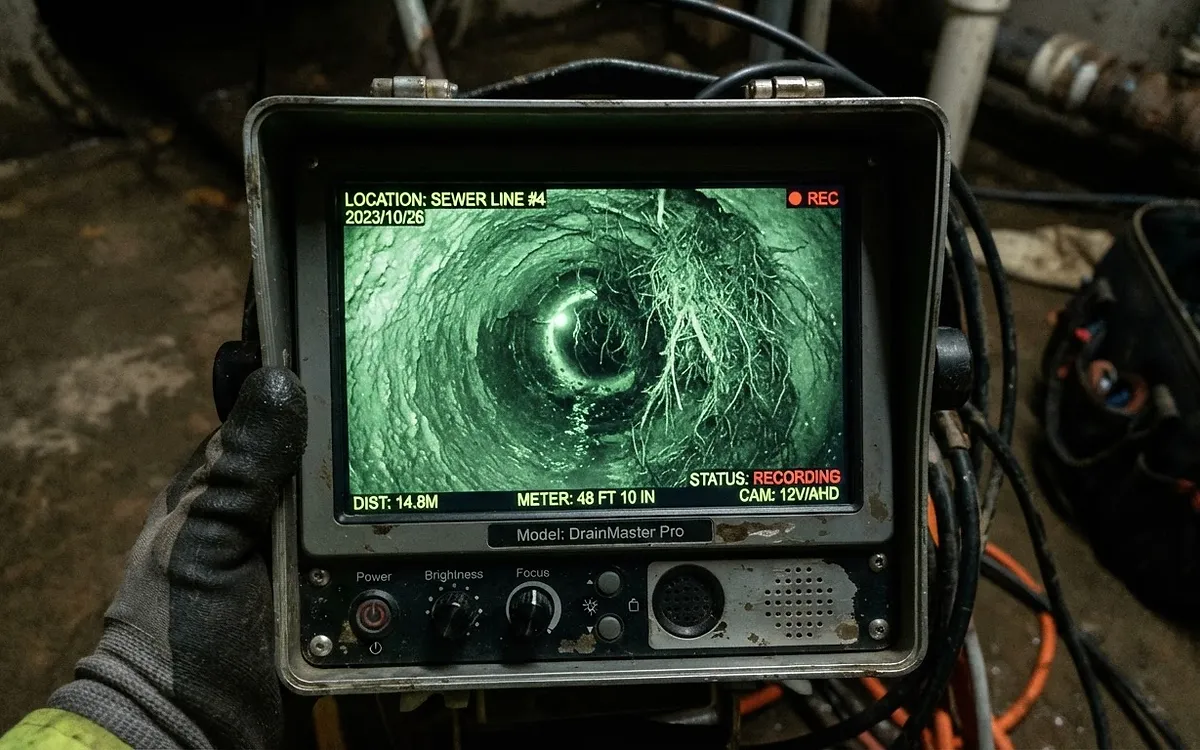
Before cameras, a blocked drain was diagnosed by experience and instinct — and a lot of yards got dug up on a hunch. A CCTV inspection shows the inside of the pipe on a screen, so the diagnosis is based on what’s actually there.
What you get
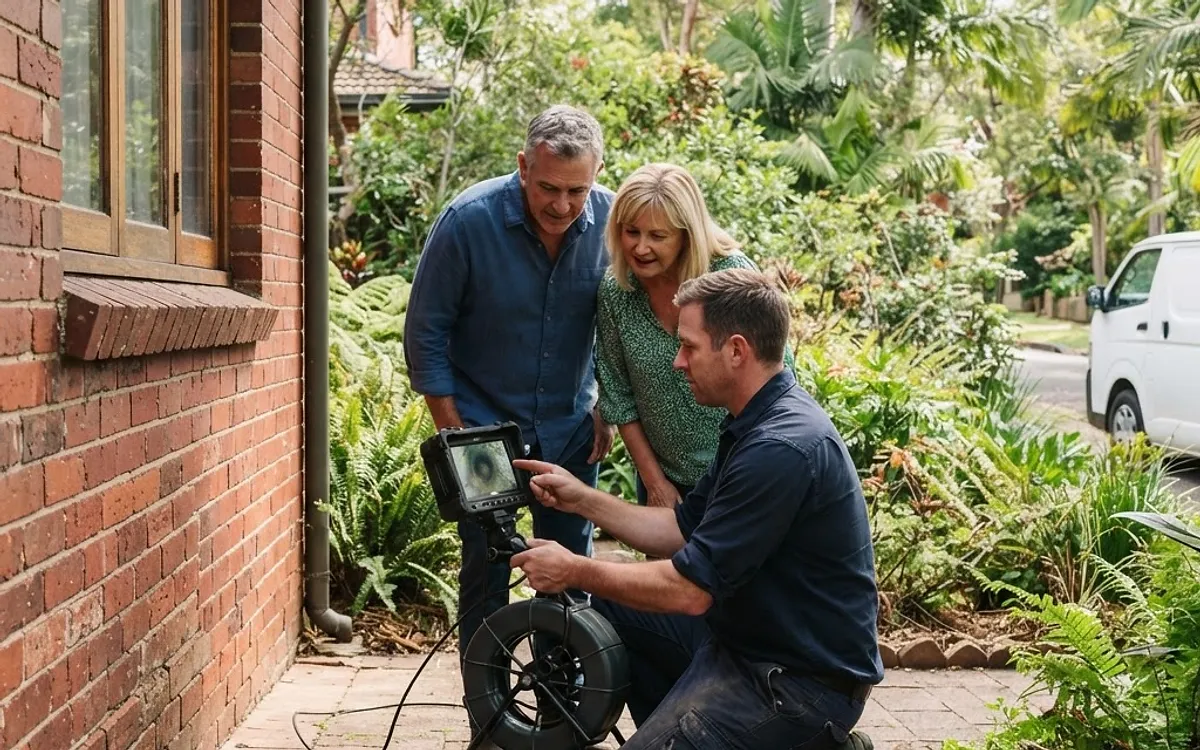
Live footage as the camera moves through the line, a recording to keep, a written report, and a surface location of any problem point so a future dig is small and targeted. You see what we see, in real time.
When it’s worth it
Any recurring blockage, any drain that’s about to be built over, any pre-purchase check on an older home, and before any repair quote you’re not sure about. If someone’s quoted you a big dig, a camera run first is almost always worth it.
Want to see what’s actually going on?
A plumber answers the phone, 7 days · 6am–10pm. Or book a camera down the line and see the problem for yourself before anyone quotes.
0484 242 424Book a CCTV inspection
When it can’t see everything
A camera can’t see through a full blockage — if the line is completely choked, we clear it first, then camera it. It also can’t see behind a collapse, but it’ll show you the collapse itself, which is usually what you need to know.
What it costs
A full residential CCTV inspection is typically $295 to $450, including the recording and report. If you go ahead with a repair with us, that fee is credited toward the job — so the inspection is effectively free if you proceed.
What does a CCTV drain inspection show?
A CCTV drain inspection (also called a drain camera inspection or CCTV drain survey) shows you the inside of your pipes, live, on a screen. Looking down the drain from the surface tells you almost nothing; the camera tells you everything. Drain cameras are waterproof, self-levelling and lit, on a flexible cable the plumber pushes along the pipe from an existing opening: the overflow relief gully, an inspection chamber, or the top of a downpipe for stormwater.
As the camera travels, everything the pipe wall has to tell you appears on the screen: the pipe diameter and material, each joint, the water flow, and every fault. A transmitter in the camera head lets the plumber locate it from above ground and mark the position and depth of any problem on the surface.
You get the video footage, still images of anything that matters, and a detailed report in plain language. That is what you are paying for: not the camera, but the certainty about hidden problems in a plumbing system you cannot otherwise see, allowing plumbers to fix the right thing.
The faults a drain camera finds
A professional CCTV survey will identify blockages, structural issues and pipe damage, and it tells them apart, which matters because they have different fixes.
Tree root intrusion
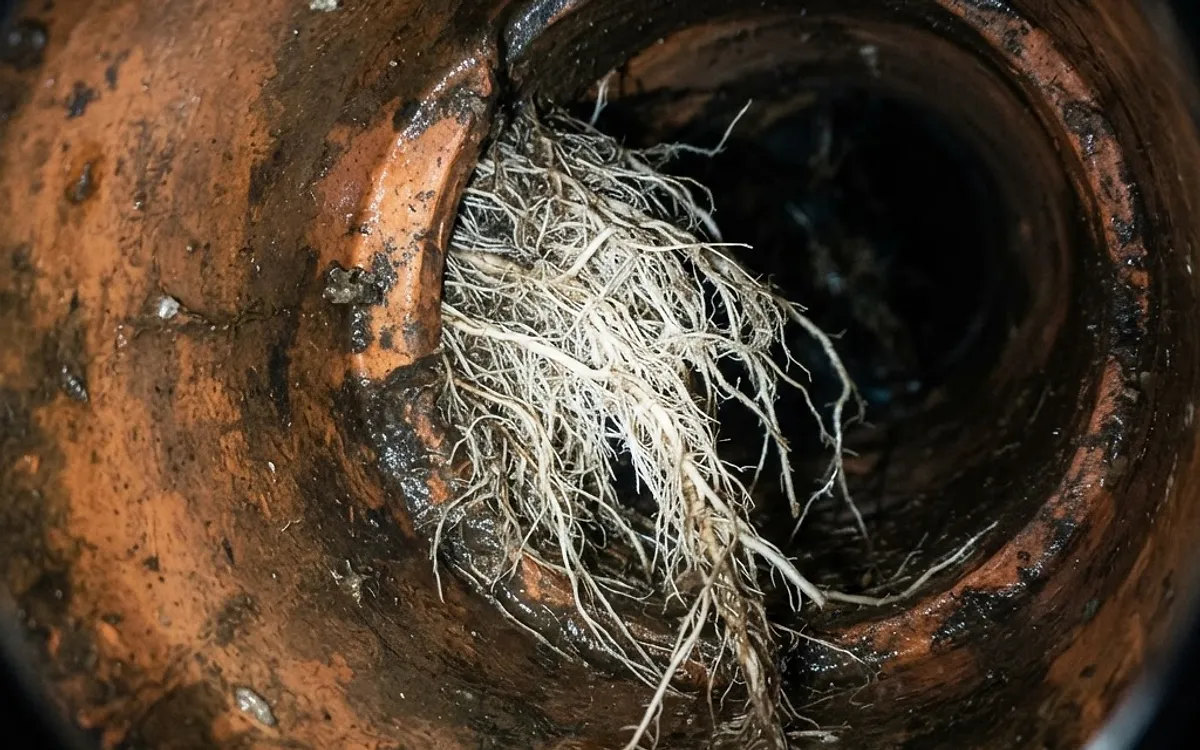
Roots enter at joints and small cracks and grow into a mass that blocks the pipe. On camera they look like hair, then a beard, then a plug. Tree roots cause the majority of persistent blockages in older Sydney drains, and the camera shows exactly which joint they came through.
Cracked pipes
From hairline fractures to open breaks. Cracked pipes leak sewage into the surrounding soil, which feeds roots and softens the ground. The camera shows the crack; the locator shows where to fix it.
Misaligned and displaced joints
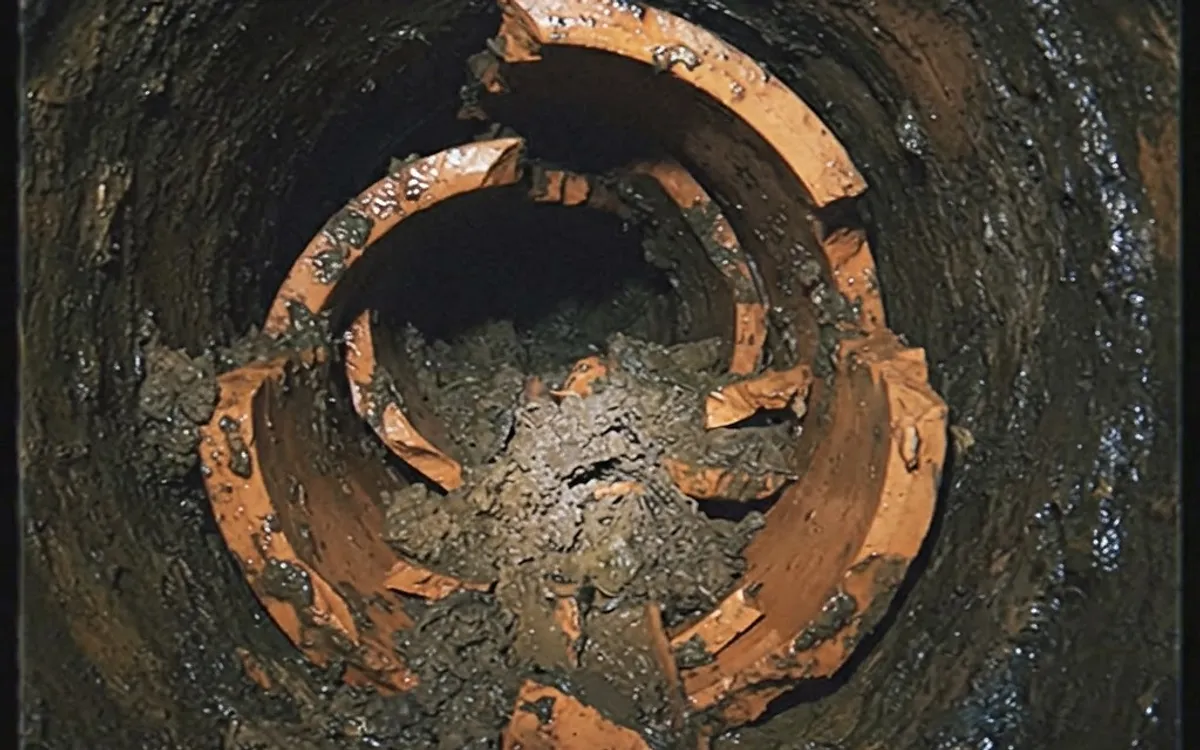
Where one section of pipe has moved relative to the next. Misaligned joints catch paper and debris, leak at every flush and reduce water flow. They show on camera as a step or a lip in the pipe.
Sagging pipes and low points
A belly in the pipe holds standing water, creating low points where debris accumulates and the drain slowly silts up. On camera the water level rises and the picture goes under; it is one of the few faults a jetter cannot fix.
Collapsed pipe
The wall has given way and the camera cannot pass. Usually under a driveway or where a tree has crushed old clay. This is the one that will require digging, and the camera tells you how much.
Grease, scale and foreign objects
Blockages that are not structural: grease on the top half of a kitchen line, scale build-up in old metal pipes, and foreign objects. Drain cleaning with high pressure water jetting removes these, and the camera confirms the pipe underneath is sound.
Corrosion
Older metallic pipes, cast iron and galvanised, corrode from the inside. The camera shows the rough, pitted wall and the holes that lead to leaks.
Illegal connections
A stormwater downpipe plumbed into the sewer, or the reverse. Common in renovated older homes, invisible from the surface, and the reason a sewer backs up in heavy rain.
When a CCTV survey is worth the money
- Slow drainage in multiple drains around the house, or slow drains that keep coming back after cleaning.
- Persistent blockages, where the same drain has been cleared more than once. The camera finds the cause; another clear does not.
- Gurgling sounds, standing water at a gully, damp patches or foul odours that persist around the property with no obvious source: the drainage problems nobody has been able to identify.
- Before buying a home. Property purchases in older suburbs should include a drain survey; the drains are the one thing a building inspector does not see, and hidden issues underground are the most expensive surprise.
- Before any repair. A plumber recommending relining or excavation without footage is guessing. The camera prevents unnecessary repairs and confirms the right one.
- Planning renovations or an extension over the drains, so the pipe route and condition are known before the slab goes down.
- Insurance claims, where the footage documents the damage and its cause.
- Regular maintenance for older homes on clay pipes: a camera inspection every 2 to 3 years catches issues early, when they are a short reline rather than a collapse.
How the inspection is done
The plumber opens an access point and, if the drain is blocked, clears it first with a jetter so the camera can travel. Camera insertion is at the gully or inspection chamber, and the camera is pushed along the pipe while the plumber watches the surface monitor and records. At each fault the locator is used above ground to mark the spot.
A residential inspection takes thirty minutes to two hours depending on the length of the drains and what is found, and the report follows the same day. Professional CCTV equipment can inspect up to around 100 metres from one access point, so most house drains are covered from the gully to the boundary in one pass.

What it costs, and what it saves
A stand-alone CCTV drain camera inspection in Sydney is $200 to $400 in our published range, including the locate and the report. On any clearing job we do, the camera is already included in the price.
What it saves is the wrong repair. Early detection turns a $4,000 reline into a $3,000 one, or a $10,000 excavation into a $3,500 reline, because the footage shows the damaged section is two metres, not twenty. Small drainage issues found early stay small; major problems are almost always small ones that were never looked at. It is the most cost effective thing on the invoice, and it is the reason you can make informed decisions rather than take a plumber’s word for what is under the ground.
Reading the report
A good report is short. It names the drain inspected and the access point used, the pipe material and diameter, the distance from the access point to each fault, what the fault is and how serious, the surface location and depth, and a recommendation with a price range. It includes still images from the footage and you keep the video.
If a report is vague, or recommends a large repair without showing the fault, ask for the footage. It is yours, and any competent plumber can read it.