- 1What It Is
- 2Why It’s Overflowing
- 3The Mistakes We See
- 4Check Yours Today
- 5What is an Overflow Relief Gully (ORG)?
- 6The Rules It Has to Meet
- 7Why People Cover It, and Why That’s a Problem
- 8Keeping The Overflow Relief Gully Working: A Few Simple Steps
- 9What the Gully Tells Us on a Job
- 10Want to See What’s Actually Going On?
What It Is
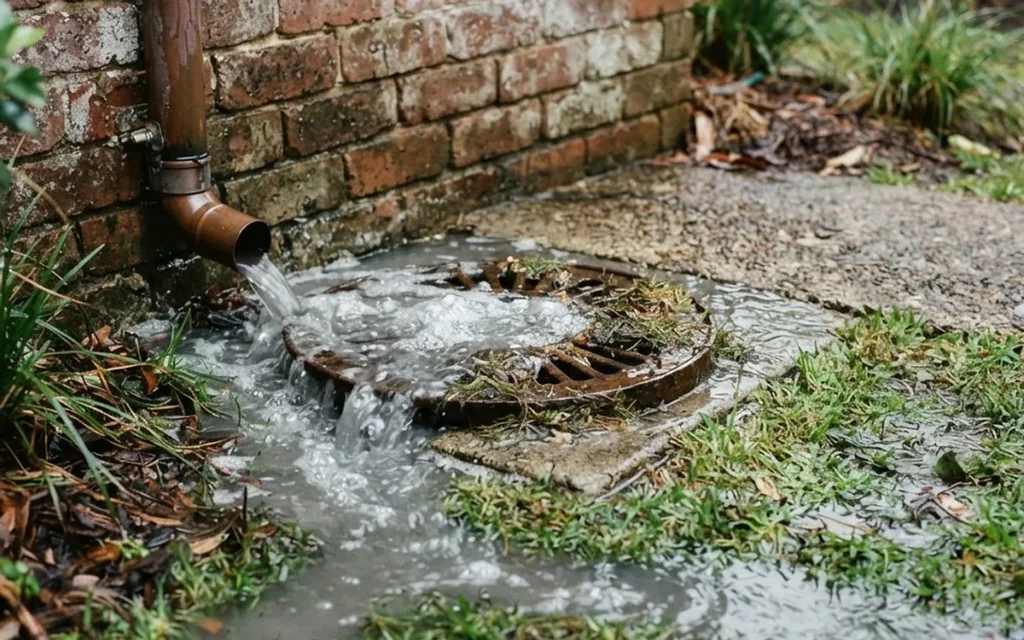
The overflow relief gully is a grated outlet located outside your home, usually near an external wall below the kitchen, bathroom or laundry. It is the lowest waste outlet in your sanitary plumbing system.
When a sewer blockage occurs, the gully gives excess water and sewage a way out into the garden instead of allowing it to back up through a shower, floor drain or toilet. An overflow relief gully releases sewage into the yard, preventing it from backing up through the shower drain inside the house.
Why It’s Overflowing
If your overflow relief gully ORG is spilling, the sewer pipes between the gully and the street may be blocked. Wastewater cannot get past the blockage, so the gully releases it outside.
In such situations, stop using water in the house and call a licensed plumber without further delay. Continuing to flush the toilet or run taps can send more sewage into the yard.
The Mistakes We See
We often find relief gullies buried under raised garden beds, covered with paving or hidden beneath pot plants. Sometimes the original grate has been replaced with a solid lid to control smells. The grate should sit lower than all indoor plumbing fixtures but above the surrounding ground to prevent surface water from entering. If a sewer blockage occurs, sewage may back up through the lowest fixture inside instead of flowing outside. Keep the gully exposed, with clear access and no obstructions around it.

Want to see what’s actually going on?
A plumber answers the phone, 7 days · 6am–10pm. Or book a camera down the line and see the problem for yourself before anyone quotes.
Check Yours Today
Look for a square or round grated outlet near an outside wall, often close to the laundry or bathroom. Make sure it is not buried, covered with concrete or blocked by landscaping. The grate should be accessible, and the surrounding ground should slope away so rainwater cannot run into it.
If you cannot find one, ask a plumber to check whether your home has an ORG or an older arrangement.
What is an Overflow Relief Gully (ORG)?
The overflow relief gully (ORG) works as a safety release valve for the plumbing system, which ensures there is no water backing up in your house during a blockage. It is a grated outlet outside the house, usually near an external wall below the kitchen or bathroom. It sits on the sewer line between your lowest plumbing fixture and the property boundary, making it the lowest outlet in the system. The grate is designed to lift and release sewage during a backup. If the sewer blocks or Sydney Water’s network backs up during heavy rain, sewage escapes through the ORG into the garden rather than backing up through an indoor shower or floor drain. Debris or pot plants need to be kept away so that the overflow relief gully can function properly.
Where to Find Yours
You could check the exterior walls of the house, especially near sinks and showers. Look for a square or round grate, around 100-150 mm wide. Properties connected to the sewer since the mid-1970s should have an ORG under a tap or beside a path. However, some old properties might not have the ORG, or might have installed it during a plumbing upgrade. A licensed plumber can confirm whether your home has an ORG or uses an older setup.
The Rules It Has to Meet
NSW plumbing regulations set the position and height of the gully to help prevent a sewage surcharge from entering the home and creating a major disruption.
- The gully riser must sit at least 75 mm above the finished surface level, helping prevent stormwater and garden runoff from entering.
- The spill level must be at least 150 mm below the lowest fixture connected to the drain. This helps sewage overflow through the gully before reaching an indoor fixture.
- The gully must not connect to the stormwater drainage system. Down pipes, water tanks, pool backwash and drainage from paved areas must not discharge into it.
- If the required height cannot be achieved, such as on a flat block or in a slab home with a low bathroom, a reflux valve must be fitted to the drain. The overflow relief gully may also need to be positioned elsewhere.
- The gully must remain in good condition, with the grate, riser and vent unobstructed. Keep the ORG accessible. Avoid placing objects on it, covering it with concrete or paving, or allowing garden beds, mulch and landscaping to restrict access to the grate.
Why People Cover It, and Why That’s a Problem
The gully can look out of place beside a path or garden, especially if it has sat untouched for years. It is simple to hide it under a paver or raise the garden bed around it.
If the gully is covered, the excess water and sewage may find their way into the lowest indoor fixture instead. A sewer spill inside a home not only creates a mess. It might result in a health risk and can lead to expensive cleaning and repairs.
According to Sydney Water requirements and NSW plumbing regulations, property owners must make sure the ORG on their land is kept clear, accessible and functional. They must prevent obstructions and ensure wastewater can escape safely if the sewer becomes blocked. repair job. Sydney Water and the NSW plumbing code both make property owners responsible for keeping the ORG within their property boundaries clear and working.
Keeping The Overflow Relief Gully Working: A Few Simple Steps
- Make sure it is accessible. While working, landscapers or paving contractors must be informed that the gully must remain exposed and at least 75mm above the finished ground.
- Check it once a year. Remove visible leaves and debris around the grate and make sure it can lift off easily. Do not force it if it is cemented in place.
- Keep stormwater out. No downpipes, yard drains, pool backwash or hoses should discharge into the gully. Rainwater should flow into the proper stormwater system.
- If it overflows on a dry day, stop using water and call a plumber. The drain may be blocked.
- If it overflows only during heavy rain, a plumber can check for stormwater entering the sewer on your property. If the private line is clear, contact Sydney Water about possible network issues.
- If you renovate a bathroom or laundry and change the level of the lowest fixture, ask a licensed plumber to reassess the gully position and height; the 150 mm rule is measured from the lowest fixture.
What the Gully Tells Us on a Job
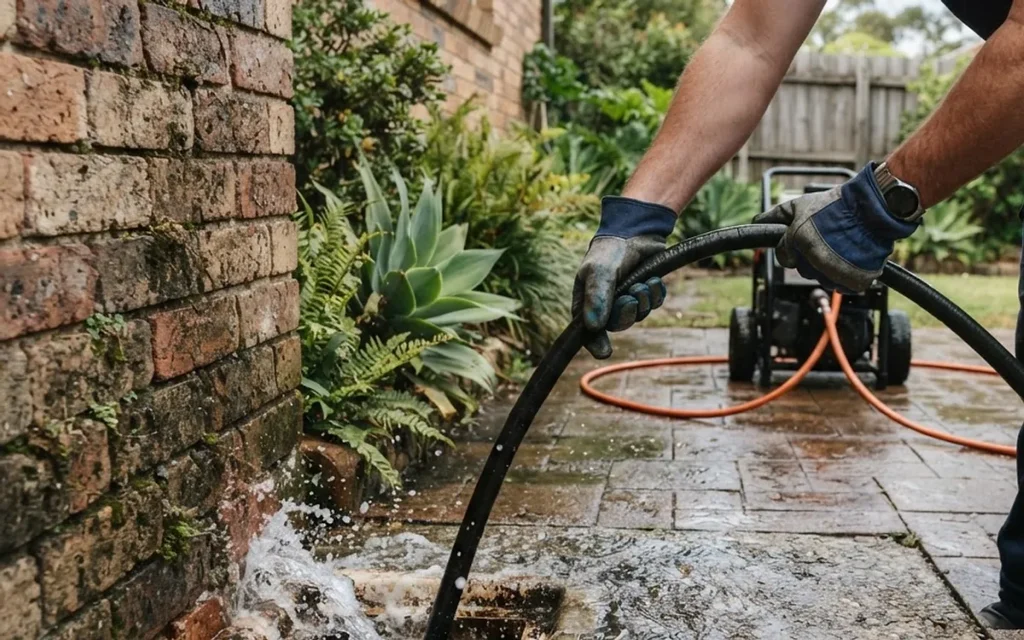
Sewer inspections and repairs generally start at the ORG, as it provides direct access to the main sewer line from outside the home. An ORG prevents costly repairs when installed correctly and maintained as per regulations. If the ORG is overflowing, the blockage is often further along the sewer line. If the gully is dry while a shower or floor drain backs up, the problem may be elsewhere in the house drainage.
During a CCTV inspection, we can run a camera through the line towards the property boundary and check the pipe condition. We can also assess the gully’s height, whether the vent is clear and whether stormwater connections may be contributing to the problem.
Want to See What’s Actually Going On?
Book a CCTV drain inspection. We clear the drain if it’s blocked, inspect the line with a camera, and show you the footage, along with a price range for any recommended fix.damage when it is installed and kept the way the regulations intend.