Know What You’ve Got
If your home was built before around 1985, its sewer pipes are likely to be made of clay or terracotta. These pipes have joints at regular intervals, where tree roots can enter as the ground shifts and cracks develop.
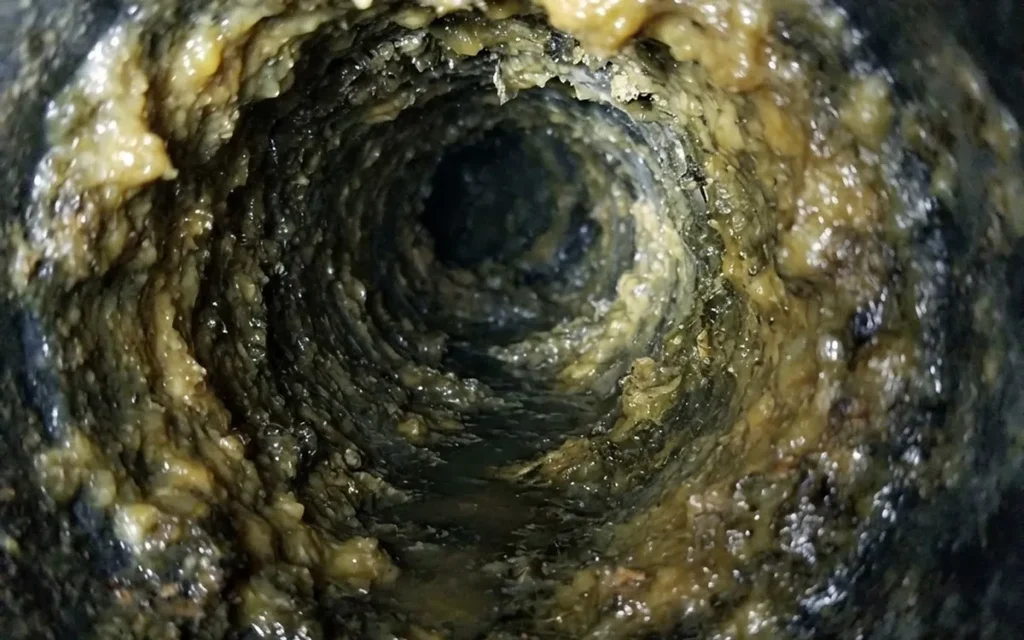
You cannot prevent this type of pipe damage through bathroom or plumbing maintenance alone. Knowing the age and condition of your underground pipes helps you decide where to focus. In case there is a major blockage, chemical drain cleaners might not show effective results. A jetter cleans the buildup from the pipe walls.
Inside the House
Be mindful about what you are flushing. Only flush human waste and toilet paper. Wet wipes, including those labelled flushable, can stay intact and contribute to serious blockages.
Keep fat and oil out of the kitchen sink. They cool inside the sink drain, stick to the pipe walls and trap food particles. Use a hair catcher in the shower, and let the kitchen tap run briefly after the dishwasher drains, particularly if the pipe run is long.
Outside
Never block or conceal the overflow relief gully (ORG). This outdoor drain provides an escape point for sewage if the sewer line backs up, helping prevent wastewater from entering your home. Clear leaves and mulch from stormwater drains, especially before winter. Check where the sewer line runs before planting trees with extensive root systems nearby.

Want to see what’s actually going on?
A plumber answers the phone, 7 days · 6am–10pm. Or book a camera down the line and see the problem for yourself before anyone quotes.
The Annual Check
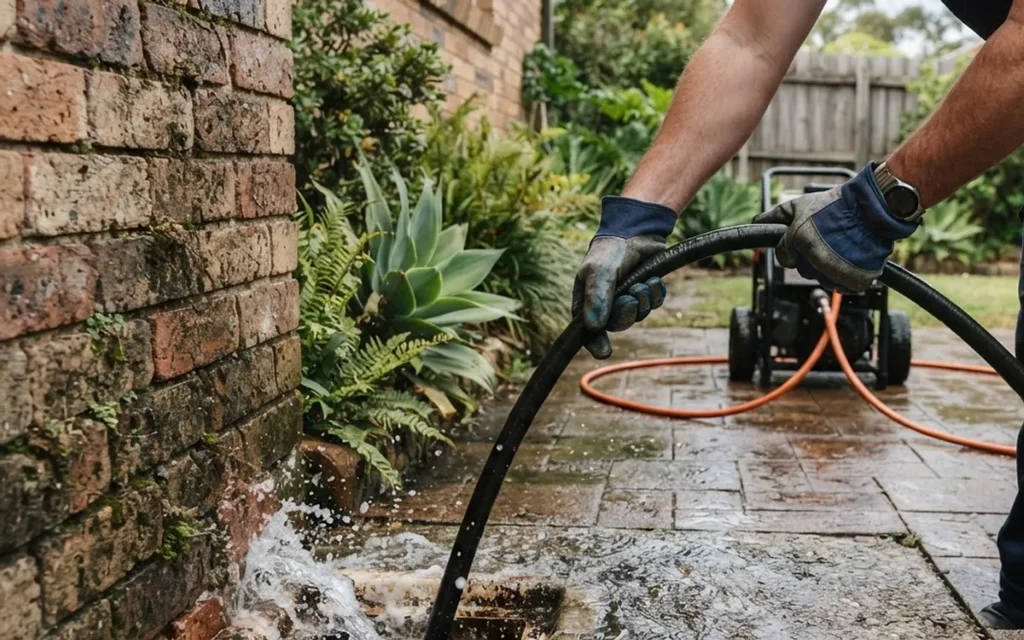
For older homes with large trees, an annual preventive jet clean and camera check can prevent problems and expensive repairs. High-pressure water jetting cleans the pipe wall rather than just punching a hole through the blockage. This typically costs around $350–$650 and gives you a record of the condition of your pipes over time. It also protects you from unforeseen emergencies.
If the footage shows tree roots entering through the same joint each year, it may be time to consider relining that section instead of repeatedly cutting the roots out.
What Doesn’t Work
Avoid supermarket chemical drain cleaners. These products can damage older drain pipes and rubber seals, do little against roots or collapsed sections, and create risks for the plumber who later opens the line. It is generally not effective for major issues or blockages and can cause the issue to reappear.
If a drain is slow enough that you’re considering a drain cleaner, it is worth finding out what is causing the problem instead.
The Common Culprits, Room by Room
Most causes of blocked drains come down to a few things accumulating in the pipes: hair and soap, grease, food waste and foreign objects. Each part of the home has its own trouble spots.
Kitchen Sink
Grease is a common cause of clogged drains in the kitchen. Cooking oil and fat may go down as liquids, but they cool and solidify further along the pipe. Once they stick to the walls, they catch other waste passing through. Let it cool, collect it in a jar or container, and put it in the bin.
Coffee grounds, tea leaves, rice and pasta can also collect or swell inside pipes. Catch food scraps before rinsing dishes, and wipe greasy pans before washing them. Dispose of leftover oil and fats in your rubbish rather than washing them away with water. Let them cool, then scrape them into a sealed container before throwing them away. If you have a garbage disposal, use plenty of cold water and avoid putting fibrous waste through it.
Bathroom Sinks, Showers and Baths
Hair and soap are common culprits in bathroom blockages. Hair combines with soap scum to form a mat that a plunger may not shift.
Fit a fine mesh drain strainer over each drain opening to catch hair before it enters the pipes. Remove and clean it once a week to clear trapped debris, then use hot water and a monthly flush to help wash away any smaller particles that pass through.
Toilet
Make sure that the only thing you flush is human waste and toilet paper. Baby wipes, paper towels, sanitary products, cotton buds and cotton balls do not break down like toilet paper. They are frequent causes of a backed-up toilet. Keep a small bin beside the toilet so these items have somewhere to go other than down the drain.
Laundry
Lint and the occasional sock can obstruct laundry plumbing. A lint catcher fitted to the washing machine outlet hose costs very little and helps keep the laundry sink and connecting pipes clear.
Outdoor Drains and Stormwater
Be prepared for the storm season. Leaves, silt, mulch and other debris can collect in outdoor drains and block stormwater outlets. The gutters and grates must be cleaned thoroughly before the onset of the storm or rainy season. Keep grates clear, clean the gutters before storm season, and make sure soil and mulch sit below the top of each grate.
Simple Maintenance That Keeps Drains Flowing Freely
A few minutes of simple maintenance each month can help keep drains flowing freely and prevent minor issues from becoming major problems.
- Drain covers play an important role in keeping blockages away. Install a drain strainer in every sink, shower and bath. Stainless steel strainers are durable and easy to clean. Dispose of collected waste into the bin rather than washing it down the drain.
- For bathroom drains, try half a cup of baking soda, followed by a cup of white vinegar. Leave it for ten minutes, then flush with hot water. If you follow this once a month, it may help with light organic residue and unpleasant odours.
- Make this a practice once a week. After heavy kitchen use, flush the sink drain with hot water and a little dishwashing liquid to help move fresh grease along before it sets. Use boiling water for PVC or metal sink drains. But avoid it particularly in older plumbing, where pipes and joints may be vulnerable to heat.
- Use rubber gloves to remove visible hair and soap buildup from shower drain covers instead of pushing it further into the pipe.
- Skip the chemical drain products. A drain snake can help with minor blockages, such as hair caught near a trap, but recurring or deeper problems may need a plumber.
- Pour a jug of water down rarely used drains to keep the trap filled and prevent unpleasant smells from entering the house.

Early Signs a Blockage Is Forming
Drains often show warning signs before they stop working completely. If water takes longer than usual to drain from your sink or starts collecting in the shower, debris may be building up inside the pipe and restricting the flow. Gurgling sounds when a tap runs or the toilet flushes may indicate air moving through a partial blockage.
Unpleasant odour can also mean waste is collecting inside the line. These early signs are worth checking rather than ignoring. A small buildup may be straightforward to clear with a strainer. If you ignore it, it can lead to a call-out and expensive repairs. In older homes, it can also result in possible pipe damage.
What You Cannot Prevent From Inside the House
Many older Sydney homes have old plumbing infrastructure and lack maintenance. The underground sewer lines are often made of clay, and tree roots can enter through existing cracks or joints. Figs, liquidambars, gums and jacarandas can have extensive root systems. If your property is surrounded by these trees, careful use of the kitchen and bathroom will not stop roots from reaching a damaged sewer line.
The same applies to broken pipes, dropped joints and collapsed sections of the drainage system. These are plumbing problems, not household maintenance issues. Catching these signs early can prevent you from expensive repairs.
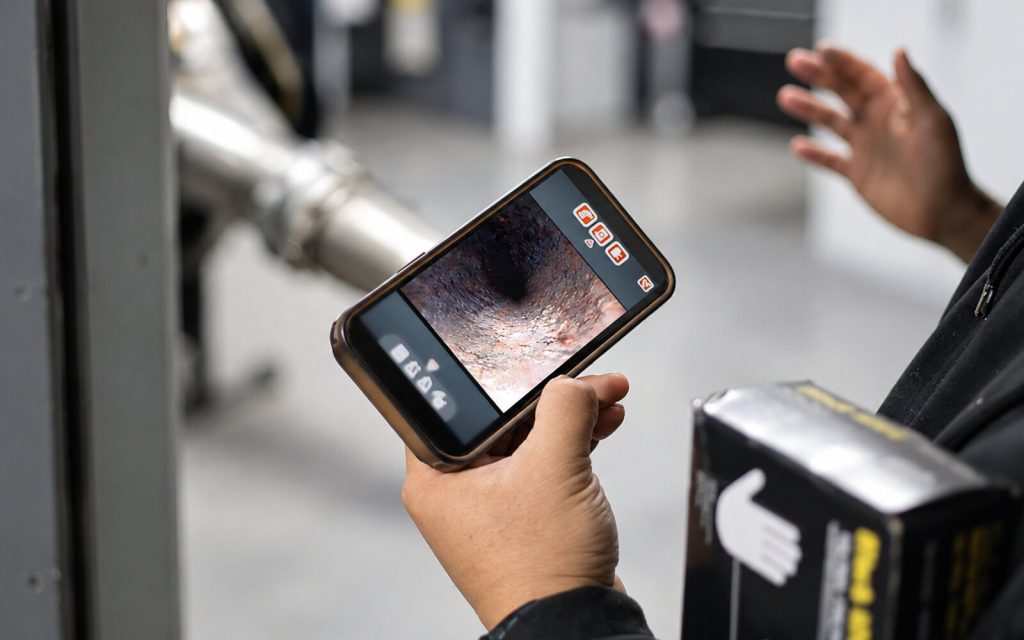
If slow drainage keeps returning despite following these tips, arrange a camera inspection. Checking the pipes every couple of years can reveal developing faults before they lead to expensive repairs. It can also show whether a short reline is likely to stop roots entering through a particular section.
Want to See What’s Actually Going On?
Book a CCTV drain inspection. We can clear the drain if it’s blocked, inspect the line with a camera and show you the footage. You’ll also receive a price range for any recommended fix, so you can understand the problem before deciding what to do next.