- 1Start With the Easy One
- 2A Smell in One Bathroom
- 3A Smell Outside, in the Yard
- 4A Smell Everywhere, Plus Gurgling Sounds
- 5What to Do First
- 6What You Are Smelling
- 7Cause One: A Dry Trap
- 8Cause Two: A Blocked or Damaged Vent
- 9Cause Three: The Toilet Seal
- 10Cause Four: A Blocked or Damaged Sewer Line
- 11Cause Five: Buildup Inside the Drain
- 12Is Sewer Gas Dangerous?
- 13How to Narrow It Down Before You Call
- 14A Ten-minute Checklist Before You Call Anyone
- 15Vent Pipe Problems in Older Homes
- 16Preventing the Smell From Coming Back
- 17Smells That Are Not the Sewer
- 18Room by Room: Where the Smell Usually Comes From
- 19Older Sydney Homes: The Specific Problems
- 20Sewage Backup Versus Sewage Smell
- 21Septic Systems
- 22Long-Term Solutions for Sewer Odours
- 23When to Call and What It Costs
- 24Want to See What’s Actually Going On?
Start With the Easy One
Whether it is a laundry floor waste or a guest bathroom shower, if the sewer gas smell comes from a drain you rarely use, the water inside the trap may have evaporated. Without that water seal, sewer gas can travel up the pipe into your living space. Pour water into the drain for about thirty seconds. If the smell in your house disappears, a dry trap was probably responsible.
A Smell in One Bathroom
Sewer smells around the toilet can happen for several reasons, such as gaps in seals, loose fittings or plumbing vents that aren’t working properly. A sewer smell around the base of the toilet can indicate a failed toilet seal or wax ring, which normally prevents gas from escaping where the toilet connects to the drain. A blocked vent or a loose connection can also allow sewage odours to escape.
A Smell Outside, in the Yard
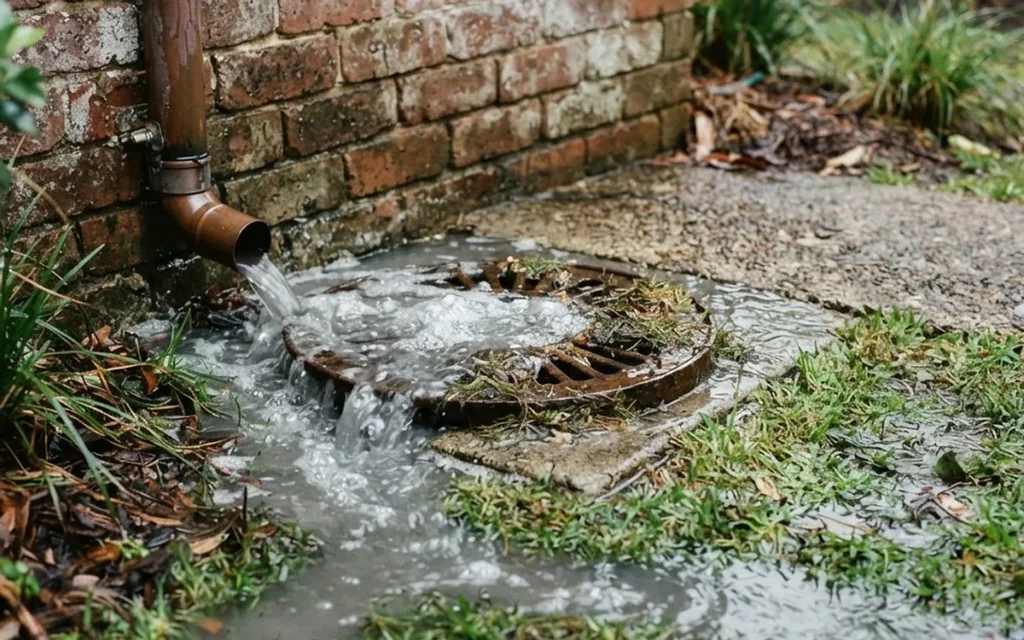
A persistent sewer smell in the garden deserves attention, particularly if you notice a damp patch or an unusually green strip of grass above the route of the sewer line. This is common and often points to a damaged pipe or a leak. A CCTV inspection can identify the damage, while a locator marks its position on the ground.
A Smell Everywhere, Plus Gurgling Sounds
Gurgling sounds, slow fixtures and a sewage smell throughout the house can point to a blocked drain. But if all of these issues happen together, don’t ignore it. The problem may be a partial blockage in the main sewer line or an issue with the plumbing vent.
What to Do First
Before you call a plumber, pour water into any unused drains and see whether the smell fades away. If the smell is strongest outside and is followed by gurgling and slow drains, arrange an inspection. Sewer gas can pose health risks, particularly if it accumulates in an enclosed area.
What You Are Smelling
When you smell sewage indoors, a trap may have dried out, a vent may not be working properly, or wastewater may be leaking somewhere it should not.
A sewage smell often comes from sewer gas, a mixture of gases produced as waste breaks down in drains and sewers. Hydrogen sulfide causes the familiar rotten-egg smell. Methane, ammonia and other gases may also cause a foul smell. Your plumbing system keeps these gases out of the house in two main ways.
First, plumbing fixtures have traps: the U-shaped bend beneath a sink or the S-bend inside a toilet. Water sits in the bend and creates a seal that blocks sewer gases from travelling back up the pipes.
Second, the system uses vent pipes that extend through the roof. These allow gases to escape outside and help maintain balanced air pressure in the pipes.
Cause One: A Dry Trap
Floor drains in a laundry, a spare bathroom shower, a bar sink or another rarely used fixture can dry out when water evaporates over several weeks.
Once the seal disappears, sewer gas odour can travel directly into the room. The solution is usually to run water into the affected drain and restore the seal. Pour a jug of water into unused drains about once a month. For drains that rarely see use, a small amount of mineral oil floating on the water can help slow evaporation.
If the house smell disappears after you refill the traps, that may have solved it. If the sewer odours return quickly, investigate further rather than assuming the problem is fixed.
Cause Two: A Blocked or Damaged Vent
A vent pipe on the roof can become blocked by leaves, a bird’s nest or a wasp nest. In older homes, renovations may also have left a vent cut off or improperly installed.
When a vent cannot draw air properly, water moving through the pipes creates negative pressure. This can pull water out of nearby traps, allowing sewer gas to enter the house.
Common signs of vent pipe problems include a smell that comes and goes when taps or toilets are used, gurgling drains and slow-draining fixtures.
A blocked vent needs to be checked and cleared by a professional. A damaged vent pipe may need repair or replacement. If a vent ends inside the roof cavity rather than above the roof, gases can collect in the roof space and eventually enter the house. A professional plumber can inspect the vent and pinpoint where the problem lies.
Cause Three: The Toilet Seal
If the smell is strongest around the base of the toilet rather than inside the bowl, the seal between the toilet pan and the drain may have failed.
A wax ring or other sealing arrangement prevents sewer gas from escaping at this connection. When it deteriorates, gas can leak out around the base. Water may also escape with each flush, leaving a stain or causing the flooring to soften.
Check whether the toilet rocks when you sit on it and look for dampness around the base. These signs do not prove the seal has failed, but they are reasons to have it checked.
Resealing the toilet is generally a small repair compared with dealing with damaged flooring or a deteriorating subfloor. If you suspect a failed seal, avoid delaying the repair.

Want to see what’s actually going on?
A plumber answers the phone, 7 days · 6am–10pm. Or book a camera down the line and see the problem for yourself before anyone quotes.
Cause Four: A Blocked or Damaged Sewer Line
A collapsed or damaged sewer line usually comes with these obvious signs. When the smell is strongest outside, near the overflow relief gully or along the garden above the sewer route, the problem may be a damaged sewer line or a partial blockage.
Wastewater trapped behind a blockage can continue releasing gas as it sits. A cracked pipe beneath the house may also allow wastewater to escape into the subfloor, leaving a persistent sewer smell that seems to come from several rooms. The drain may keep carrying wastewater, so normal flushing won’t rule out a problem.
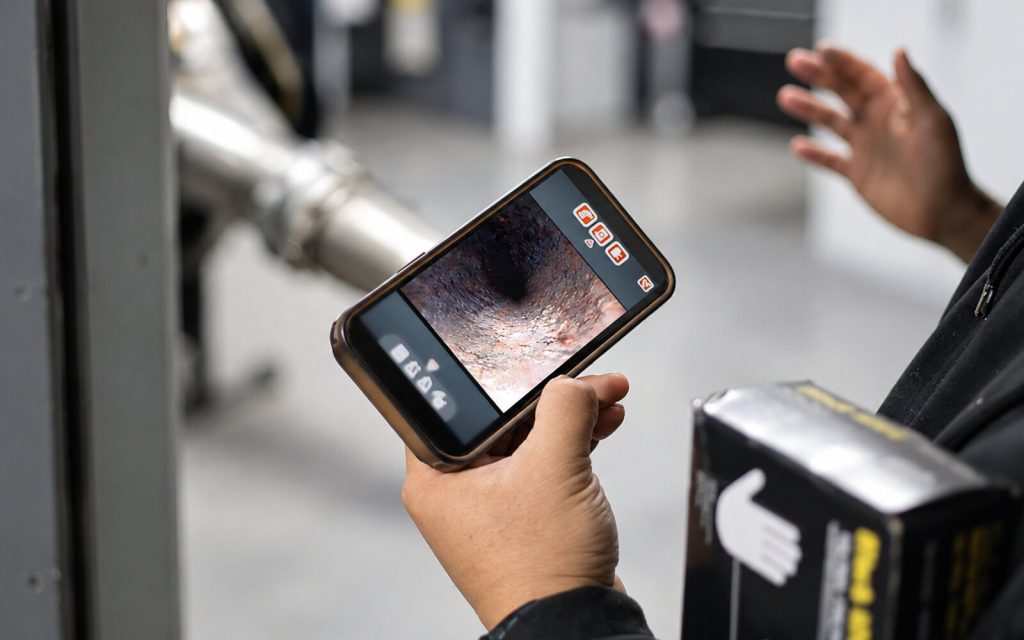
This is where a CCTV inspection helps. The plumber clears the line if necessary, then uses the camera to locate the crack, root mass or obstruction. The footage helps identify the sewer line damage so the repair can target the affected section instead of relying on guesswork.
Cause Five: Buildup Inside the Drain
Sometimes odours from bathroom sinks have nothing to do with a sewer blockage. The cause may be organic matter collecting just below the grate.
Hair, skin cells, soap residue and soap scum can form a layer on the inside of the pipe. This buildup, often called biofilm, can produce an unpleasant odour even when the trap contains water and the drain is not blocked.
Remove visible debris from the drain cover and clean it with a drain brush. A flush of hot water may help loosen residue. Baking soda can also help with light buildup, although it will not clear a substantial blockage.
If the smell returns soon after cleaning, or the drain begins to run slowly, there may be a partial blockage further along the line.
Is Sewer Gas Dangerous?
In small amounts, a brief sewer gas smell may be unpleasant rather than immediately harmful. However, sewer gas can contain hydrogen sulfide, which may cause eye irritation, headaches and nausea. At higher concentrations, hydrogen sulfide can be toxic, and methane is flammable.
Do not assume an enclosed area is safe simply because the smell seems mild. Open windows if it is safe to do so, keep children and pets away from the affected area, and avoid smoking or using naked flames nearby. If the odour is followed by backup, it is time to act immediately.
How to Narrow It Down Before You Call
Before you book a plumbing service, run water through every fixture, including floor wastes and unused showers, then wait an hour. If the smell disappears, a dry trap is the likely cause. Gurgling when taps run may indicate a vent issue, while odours around the toilet base can point to a failed seal. If the smell is strongest outside or near the gully, or drains are slow, the sewer line may be the problem. If needed, we can clear the blockage and inspect the line with a camera. If it turns out to be just a dry trap, we’ll tell you honestly if you don’t need a plumber.
A Ten-minute Checklist Before You Call Anyone
You can do a few basic checks before arranging a visit. They will not confirm every fault, but they can help identify where the problem may be.
- Fill every P trap. A dry P trap can cause a strong sewage smell. Pour water into each fixture for about thirty seconds, including laundry floor drains, spare showers and unused sinks. Wait an hour to see whether the smell disappears.
- Listen for gurgling. Flush the toilet and run the basin tap. Gurgling from another drain or persistent slow drainage may point to a vent issue or a partial blockage.
- Check the toilet base. If the smell is strongest around the pan, or the toilet moves slightly, have the seal checked.
- Check individual drains. If only one shower or sink smells, clean the grate and remove visible buildup. It is usually caused by soap scum, hair or debris. A smell coming from several fixtures may indicate a wider plumbing issue.
- Go outside. Check whether the smell is strongest near the overflow relief gully or above the sewer route. A damp patch, unusually green grass or visible wastewater is a reason to arrange an inspection.
Vent Pipe Problems in Older Homes
Older homes can have vent issues that are not obvious from inside. A vent stack blocked by leaves or a nest may stop air from moving through the plumbing. A cracked vent or one that ends inside the roof cavity can allow gas to escape into the building.
When water moves through the system, the pressure changes can pull water from nearby P-traps and force gases back through the drains. The result may be a sewer gas odour that comes and goes, along with gurgling toilet drains or slow drainage.
A camera inspection may help rule out problems in the sewer line, while a plumber can inspect the vent and recommend repairs accordingly
Preventing the Smell From Coming Back
Once the source has been fixed, a few regular habits can help prevent persistent odours from returning.
- Use drain strainers in showers and kitchens to keep hair and debris away from the pipes.
- Pour water into unused drains monthly to keep the traps full. In rarely used fixtures, a little mineral oil on top of the water may slow evaporation.
- Clean bathroom drains periodically to remove organic matter, hair and soap residue. Baking soda and vinegar followed by hot water may help with light buildup.
- Have roof vent pipes inspected if your home is under trees or if roof work has recently been completed.
- Consider a camera inspection every two to three years for older homes with clay sewer pipes. The footage may reveal tree roots or a cracked joint before the problem develops into more extensive damage.
- Wipes and sanitary products can contribute to blocked sewer lines.Only flush human waste and toilet paper
Smells That Are Not the Sewer
Every foul odour in a house doesn’t always come from the sewer. A rotten egg smell near the water heater may be related to a reaction inside the tank and needs a plumber’s assessment. A musty smell in the laundry room can come from a washing machine hose connected to a standpipe without a proper trap. A persistent smell that remains after the traps are full, with no plumbing fault identified, may come from a dead animal in a wall or roof space.
If the smell clearly comes from the drains, work through the checks above. If it does not, avoid paying for a drain inspection that is unlikely to find the cause.
Room by Room: Where the Smell Usually Comes From
In the bathroom, shower drain smells and floor waste odours often come from a dry trap or buildup around the grate. A failed toilet seal is another possibility. Check individual plumbing fixtures rather than assuming every bathroom smell comes from the sewer.
In the laundry, the floor drain may be dry because water rarely enters it. The washing machine standpipe may also have a trap or connection issue.
In the kitchen, a smelly sink is often caused by grease and food waste in the trap rather than sewer gas. Check the drain and connections before assuming the main line is blocked. A dishwasher hose installed incorrectly may also allow drain odours to travel back into the appliance.
Outside, a smell near the overflow relief gully or along the lawn can indicate a sewer line problem. If the smell seems to come from a wall or beneath the floor rather than a drain, a cracked pipe or vent fault may need investigation.
Older Sydney Homes: The Specific Problems
Pre-1980s homes in Sydney with clay sewer lines can develop several faults that cause smells. Cracked sewer pipes beneath the house may leak wastewater into the subfloor, producing a smell that seems to come from everywhere.
Older cast-iron vent stacks can rust through in the roof space and allow gas to escape into the ceiling. Renovations may leave a capped branch with a dry trap or a vent that ends inside the roof cavity. Some older floor wastes may have plumbing arrangements that need checking.
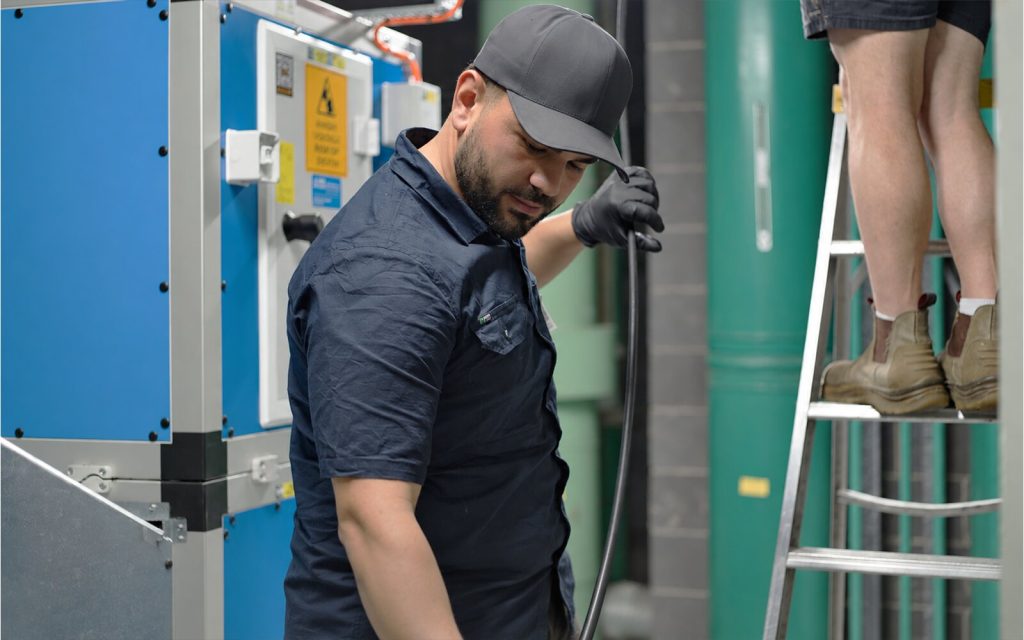
If you live in an older home and cannot locate the source of a persistent sewer smell, a plumber can inspect these areas and use a camera and locator to identify problems in accessible sewer lines.
Sewage Backup Versus Sewage Smell
A smell is a warning sign but doesn’t call for an emergency service. But a sewage backup needs urgent attention.
If wastewater comes up through a shower, floor drain or overflow relief gully, stop using water and keep people away from the affected area. Every flush or running tap can add more wastewater to the backup.
Call a licensed plumber to clear the line and inspect it. The camera footage can show whether roots, a damaged section or another blockage caused the problem. Do not resume normal water use until you have been advised it is safe.
Septic Systems
While most of the suburbs in Sydney offer our services in connection to Sydney Water’s sewer network, some properties in the Northern Beaches and Hills District use a septic system.
A smell around a septic tank or absorption trench may indicate that the tank needs pumping, the trench is not functioning well, or a lid or vent is leaking gas. Indoor smells can have the same causes as those in sewer-connected homes, including dry traps and vent problems.
If the smell is outside and your property uses a septic system, contact a septic service to assess the tank and absorption area before booking a drain plumber.
Long-Term Solutions for Sewer Odours
After a repair, a smell may linger for a few days in soft furnishings or residue inside the drains. Ventilate the house, clean affected surfaces with baking soda and hot water, run water through the fixtures and refill any trap that has dried out.
Do not rely on an air freshener to hide the smell. If it returns within a week, further inspection may be needed to check the vent, trap or sewer line.
When to Call and What It Costs
Arrange an inspection if the smell remains after refilling the traps, occurs alongside gurgling or slow drains, comes from around the toilet base or is strongest outside near the gully.
A stand-alone CCTV inspection to find a crack or root mass costs around $200 to $400 in our service areas. If the sewer main is blocked, clearing and camera inspection together typically cost $450 to $850. A toilet reseal or vent clearing is a smaller job, priced according to what is required.
We will explain what the inspection finds and whether a repair is needed. If it turns out to be a dry trap, we will tell you that too.
Want to See What’s Actually Going On?
Book a CCTV drain inspection. We remove the blockage, inspect the line and show you the footage, along with a price range for any recommended fix.